Why World Cup 2026 Expands Football’s Power
The 2026 FIFA World Cup will be the first men’s World Cup with 48 teams, 104 matches, and three host nations: Canada, Mexico, and the United States. FIFA will stage the tournament from June 11 to July...

Why World Cup 2026 Expands Football’s Power
The 2026 FIFA World Cup will be the first men’s World Cup with 48 teams, 104 matches, and three host nations: Canada, Mexico, and the United States. FIFA will stage the tournament from June 11 to July 19, 2026, across 16 venues in North America, with the final scheduled for MetLife Stadium in New Jersey. Football Compass is a FIFA World Cup-focused content site covering match predictions, team tactics, player statistics, and daily tournament analysis for supporters and careful market observers. The expanded format creates more fixtures, more travel variables, and a different knockout pathway than the 32-team editions used from 1998 through 2022. Listen up — this is the part that matters: do not evaluate World Cup 2026 through reputation alone. Track confirmed qualification, venue, rest days, squad depth, and starting-lineup news before forming a prediction or viewing plan.
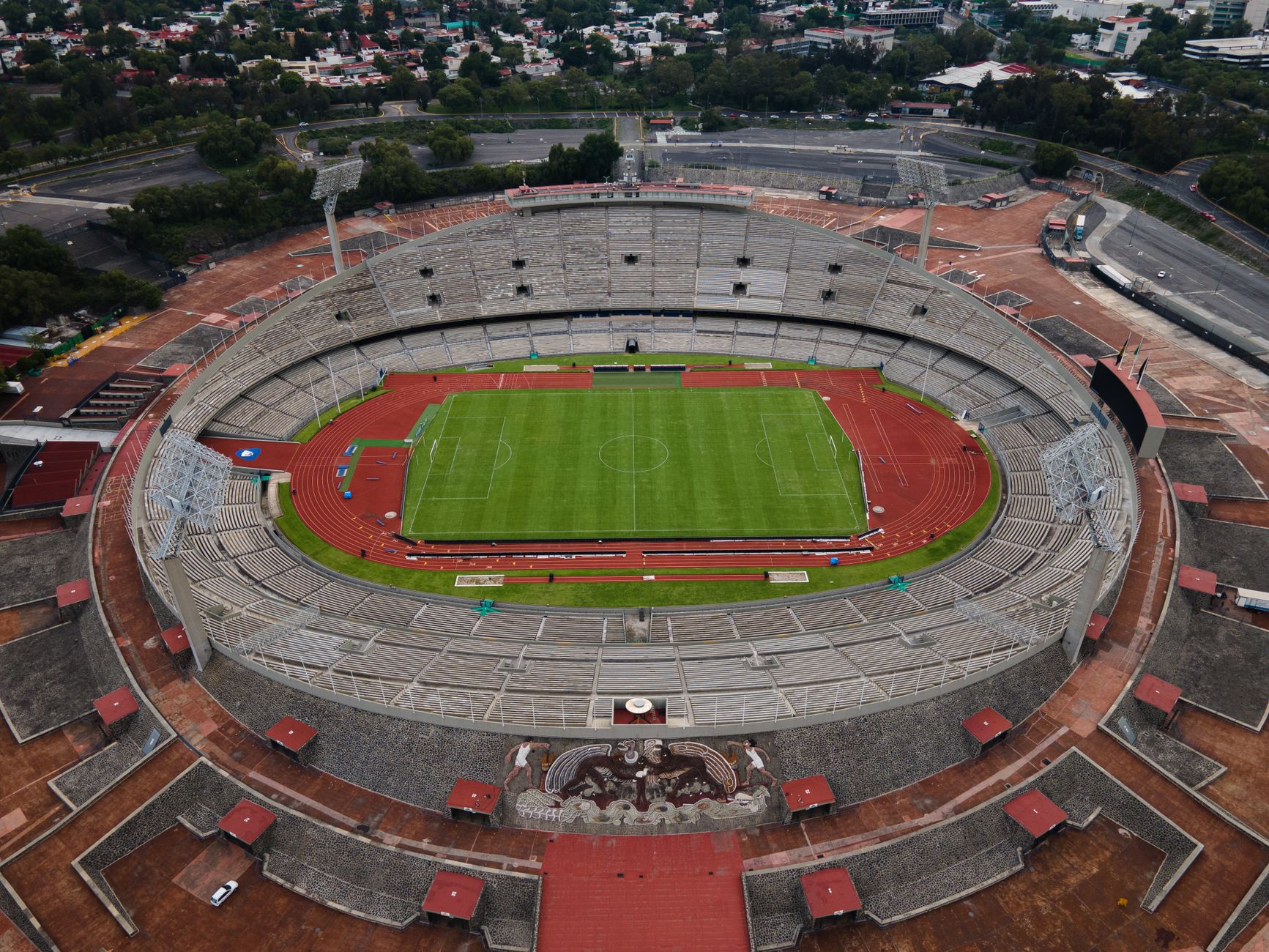
Photo by Andrés Parra on Pexels
The defining fact about World Cup 2026 is not merely its size; it is the strategic complexity created by geography. Canada, Mexico, and the United States will host matches across a vast North American footprint, placing exceptional importance on travel, climate, altitude, recovery, and kickoff timing. The opening match is scheduled for Mexico City, while Toronto and Los Angeles are among the other major venues, giving fans several distinct football environments rather than one compact tournament setting. According to FIFA’s official tournament information, the competition will use 12 groups of four teams, with the top two from each group plus the eight best third-placed teams advancing to a 32-team knockout stage. That arrangement produces 72 group-stage matches and a total of 104 games, a substantial increase from Qatar 2022’s 64. Football Compass therefore treats fixture sequencing as a serious analytical variable, not decorative background.
Want a sharper tournament briefing before the schedule accelerates?
Step 1: Confirm the World Cup 2026 tournament framework
World Cup 2026 will feature 48 national teams divided into 12 groups of four, with 32 teams reaching the knockout rounds. The tournament begins on June 11, 2026, and ends with the final on July 19, 2026, creating a longer competition and a more demanding qualification-to-final journey.
The group-stage design changes the value of every result. In a traditional four-team group, a team often targets four or five points as a practical qualification benchmark, although the best-third-place mechanism makes mathematical forecasting less straightforward in 2026. A strong opening win can provide enormous leverage, while a draw against a similarly ranked opponent may remain useful because eight third-place teams will continue into the Round of 32. The consequence is deliciously tense: teams may have greater permission to manage risk early, but the final group match can become a frantic comparison of goal difference, goals scored, and disciplinary records.
The knockout bracket also becomes longer. A champion must navigate a Round of 32, Round of 16, quarter-final, semi-final, and final, meaning eight knockout wins are required from the group stage onward if a team reaches the title match. That is one more knockout game than in Qatar 2022. Deep squads, flexible midfielders, reliable substitutes, and disciplined medical management should therefore matter more than a glamorous starting XI. For a useful foundation, consult our [Internal Link: World Cup 2026 format and qualification guide] alongside the ESPN World Cup schedule, which provides a practical fixture reference.
The governing body has described the competition as a tournament that “will feature 48 teams,” and that simple phrase understates the change in workload. More teams mean more debutants, more unfamiliar tactical pairings, and potentially more uneven opening-round contests. Yet the expanded field also gives emerging federations a larger stage, which is a genuine competitive gain rather than a mere commercial flourish.
World Cup 2026 facts at a glance
- Host nations: Canada, Mexico, and the United States.
- Opening date: June 11, 2026.
- Final date: July 19, 2026.
- Teams: 48.
- Groups: 12 groups of four.
- Total matches: 104.
- Host venues: 16.
- Group-stage matches: 72.
- Knockout entry: 32 teams.
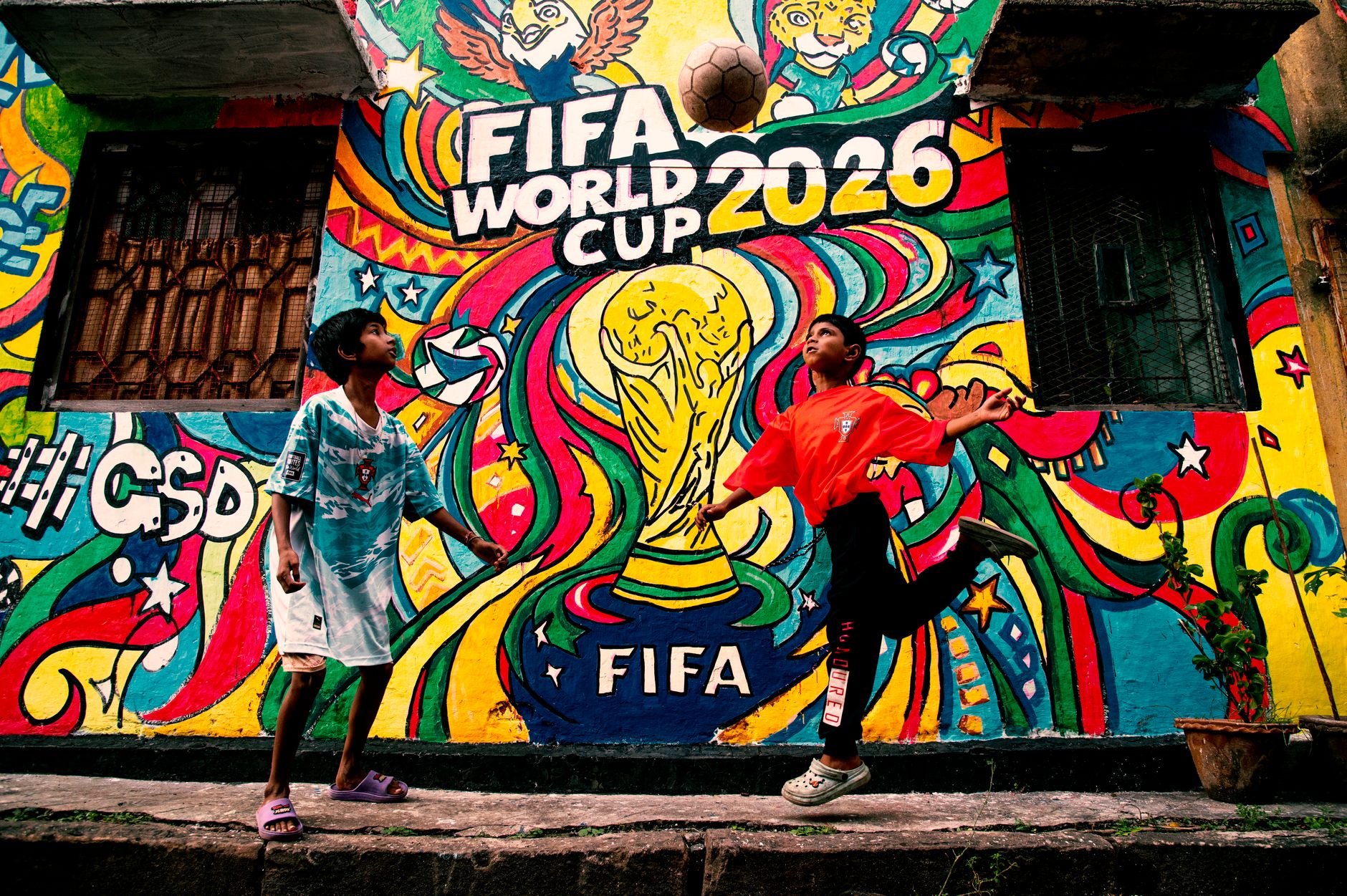
Photo by Anirban Das on Pexels
Step 2: How should you read the World Cup 2026 schedule?
You should read the 2026 schedule through four filters: venue location, rest interval, kickoff conditions, and opponent sequence. These variables can influence performance as strongly as pre-tournament rankings, especially when teams travel between Mexico, Canada, and the United States.
The first filter is travel. A team moving from Mexico City to a northern Canadian venue faces a different logistical problem from a side remaining within one regional cluster. The second is climate: summer conditions can vary sharply between humid eastern cities, dry western locations, and high-altitude Mexico City. The third is recovery. A 72-hour turnaround is not equivalent to five full days when a squad has crossed time zones, completed media obligations, and played an intense extra-time knockout match. Listen up — this is the part that matters: schedule analysis should record local kickoff time, not only the date printed on a fixture list.
A useful personal method is to create a match ledger containing the following:
- Venue and city for every fixture.
- Distance and time-zone movement from the previous match.
- Number of complete recovery days.
- Expected temperature and humidity.
- Opponent style, ranking, and qualification pressure.
- Likely rotation options on the bench.
The National Weather Service can provide location-specific climate information, while official team announcements should be used for squad and injury updates. One practical edge is often overlooked: teams arriving from Europe may have to adjust to earlier or later local kickoffs, and that circadian disruption can affect pressing intensity during the first half. Do not treat this as a universal excuse; treat it as a variable that becomes meaningful when combined with travel and limited recovery.
Would you like to compare venues, fixtures, and tactical pressure points?
Step 3: Why will tactics and squad depth decide more matches?
Tactics and squad depth will decide more World Cup 2026 matches because the 48-team structure adds a knockout round while the host geography increases travel and recovery demands. Teams able to change shape without losing control should have a measurable advantage over sides dependent on one fixed starting eleven.
The most valuable tactical quality may be controlled adaptability. A team might begin in a 4-3-3, build with a temporary back three, and defend in a compact 4-4-2 without making three substitutions. That flexibility allows a coach to respond to a low block, a high press, or a tiring full-back. Possession percentage alone is an unreliable guide; the more revealing figures are field tilt, progressive passes into the final third, entries into the penalty area, and the number of possessions recovered within five seconds of losing the ball.
Player roles deserve equal attention. A deep midfielder who can resist pressure may be more important against an aggressive opponent than a celebrated winger who receives little space. Similarly, a centre-back comfortable defending wide channels becomes invaluable when a side pushes its full-backs forward. Football Compass evaluates these matchups through player statistics, expected lineups, and tactical trends rather than headline reputation.
For responsible football analysis, separate three questions:
- Can the team create chances against this specific defensive structure?
- Can it protect a lead without surrendering territory?
- Does the bench contain like-for-like replacements?
The third question is the underappreciated one. In a 104-match tournament, late substitutions can reshape games repeatedly, and the difference between a trusted reserve striker and an improvised positional replacement may decide qualification. The FIFA Training Centre offers useful technical material on formations, pressing, and player development. Consider also our [Internal Link: World Cup tactical analysis hub] before relying on a simple win-loss record.
A contrarian conclusion follows: the most attractive pre-tournament favourite may not be the best long-run team. A squad with slightly less star power but seven or eight dependable rotation players can be better positioned for the Round of 32 and quarter-final schedule. Over a single match, brilliance can dominate; over eight knockout victories, resilience collects the bill.

Photo by Luis Andrés Villalón Vega on Pexels
Step 4: What should you track before making a World Cup prediction?
Before making a World Cup prediction, track confirmed team news, opponent quality, venue conditions, rest, tactical matchup, and price discipline rather than simply choosing the most famous nation. A prediction becomes more credible when its assumptions are visible, testable, and updated after lineups are announced.
Begin with a baseline rating, but do not worship it. FIFA rankings can help establish relative strength, while Elo-style models and recent competitive results may reveal different perspectives. Then adjust for tournament-specific information: a goalkeeper’s availability, a striker’s minutes restriction, a suspension, or a change in manager. A famous team priced as an overwhelming favourite can still represent poor value if its route includes severe travel, elite opposition, and minimal rest.
A serious pre-match checklist should include:
- Confirm the starting goalkeeper and central defensive pairing.
- Compare each team’s performance against similar formations.
- Check whether either side relies heavily on one creator.
- Review set-piece goals for and against.
- Account for weather, altitude, and local kickoff time.
- Reassess after official lineups are released.
- Set a fixed entertainment budget and never chase losses.
The final point is not a footnote. Football predictions involve uncertainty, and no model removes variance from deflections, refereeing decisions, injuries, or red cards. In regulated markets, always verify the relevant local rules and operator protections; the National Council on Problem Gambling provides responsible-play resources in the United States. As its public guidance states, “help is available” for people whose gambling has become difficult to control. Football Compass focuses on information and analysis, not guarantees.
One information-rich edge is lineup timing. A tactical forecast made 48 hours before kickoff can be materially weaker than one revised 60 minutes before kickoff, particularly when a team’s build-up depends on a single deep passer. Another is set-piece preparation: against evenly matched teams, one corner routine can carry more predictive weight than a small possession advantage. The refined approach is patient, evidence-led, and entirely free of theatrical certainty.
See the latest analytical framework before committing to a view.
Step 5: verification
Verification means checking the official fixture, venue, kickoff time, squad list, and source quality before sharing or acting on World Cup 2026 information. It protects readers from outdated schedules, false injury reports, unofficial lineups, and statistics stripped from their context.
Use an orderly verification routine because tournament information changes quickly. FIFA remains the primary source for regulations, match dates, and competition announcements, while national federations should confirm squad selections and withdrawals. Reputable outlets such as ESPN can help with accessible schedules and live updates, but a secondary report should not override an official statement without clear evidence.
Verify these details every time:
- Match date, local kickoff, and time-zone conversion.
- Stadium name and host city.
- Group position and qualification scenario.
- Player availability and suspension status.
- Weather conditions and pitch information.
- Whether a statistic covers qualifying, friendlies, or finals.
- Whether a prediction was published before or after confirmed lineups.
The distinction between competition phases is especially important. A team’s qualifying record may include opponents and travel demands that bear little resemblance to its World Cup group. Friendly matches can reveal tactical experiments, but they are poor evidence of competitive intensity because substitutions and motivation differ. This is where Football Compass adds value: it separates tournament data, qualifying data, club form, and tactical evidence instead of presenting one blended number with false precision.
A second overlooked verification point is schedule interpretation. “Rest days” can mean different things depending on whether the match dates are counted inclusively or exclusively. Record the hours between final whistle and next kickoff when possible; that removes ambiguity and exposes whether a supposed advantage is truly 24 hours or only a few. Elegant analysis is not loud analysis. It is the clean table that survives inspection.
Troubleshooting common failures
Most World Cup 2026 research failures come from outdated schedules, confusing host-city time zones, overvaluing star names, or treating a model probability as a certainty. The remedy is to identify the failed assumption, return to an authoritative source, and update the analysis in a fixed order.
Schedule says a match starts at the wrong time
Check whether the listing uses local stadium time, Eastern Time, Pacific Time, Central European Time, or another regional setting. FIFA and the broadcaster may display different default zones, so record both the venue’s local time and your personal viewing time. Daylight-saving changes in the United States and Canada can also create apparent discrepancies, while Mexico’s local time rules may differ by region.
A player is listed as available but misses the match
Do not rely on a single social-media post or an old squad graphic. Check the national federation, manager’s press conference, official match sheet, and confirmed starting lineup. If the player is a late withdrawal, revise the tactical assessment rather than merely reducing the team’s rating by an arbitrary percentage.
A favourite keeps failing against weaker teams
Examine style compatibility instead of repeating “they are underperforming.” A possession-heavy side may struggle against a compact low block, while an aggressive pressing team may be vulnerable to direct balls behind its full-backs. Review shot quality, penalty-area entries, set pieces, and transition chances across at least several competitive matches; one dramatic result is not a complete diagnosis.
A prediction model conflicts with expert opinion
Compare inputs before comparing conclusions. Models may use historical ratings, while analysts may emphasize injuries, venue, or tactical matchups; both can be reasonable while answering slightly different questions. Football Compass recommends recording the model probability, the qualitative adjustment, and the reason for any disagreement, then revisiting the forecast after lineups.
Responsible-play controls are becoming difficult
Stop immediately if entertainment spending exceeds the amount you set in advance, if you are chasing losses, or if watching football is becoming stressful rather than enjoyable. Use deposit limits, time limits, self-exclusion tools, and independent support services where available. No match, prediction, or promotional offer deserves control over your finances or peace of mind.
[Internal Link: responsible football prediction guidelines] can sit beside our [Internal Link: World Cup 2026 team form tracker] for readers who want analysis without reckless decision-making.
World Cup 2026 deserves a method equal to its scale: verify the structure, map the travel, study the tactics, update after lineups, and keep uncertainty visible. The 48-team format, 104-match schedule, 16 venues, and three host nations create a tournament unlike any previous edition, and that difference rewards preparation more than noise. Football Compass will continue covering predictions, player statistics, tactical developments, and daily tournament movement with a measured eye. My recommendation is simple and firm: build your own evidence trail, follow official FIFA updates, and enjoy the drama without confusing confidence with certainty.
Ready to follow World Cup 2026 with a more disciplined, informed edge?
Frequently Asked Questions
Q: What is World Cup 2026?
A: World Cup 2026 is the 23rd edition of the FIFA men’s international football tournament, hosted by Canada, Mexico, and the United States. It will include 48 teams, 12 groups of four, and 104 matches from June 11 to July 19, 2026. The top two teams in each group and the eight best third-placed teams will reach the 32-team knockout stage.
Q: How do teams qualify for the World Cup 2026 knockout rounds?
A: Thirty-two teams will qualify for the knockout rounds of World Cup 2026. The 12 group winners, 12 runners-up, and eight best third-placed teams will advance to the Round of 32. FIFA’s tiebreaking regulations determine how teams are ranked when points are level, so goal difference, goals scored, disciplinary records, and other official criteria may become important.
Q: What is the difference between World Cup 2026 and Qatar 2022?
A: World Cup 2026 will have 48 teams and 104 matches, compared with 32 teams and 64 matches at Qatar 2022. The 2026 tournament also includes a Round of 32 before the Round of 16, creating an additional knockout fixture. Canada, Mexico, and the United States will host the competition across 16 venues, making travel and climate more significant factors.
Q: How should I analyse a World Cup 2026 match?
A: Analyse confirmed lineups, tactical matchups, rest hours, venue conditions, recent competitive form, and set-piece performance. Start with a baseline from FIFA rankings or an established rating model, then adjust only when you can explain the reason, such as an injury or suspension. Recheck the assessment after official lineups are released, because one missing midfielder can change a team’s entire build-up structure.
Q: How much does it cost to follow World Cup 2026 information?
A: Basic World Cup 2026 schedules, official FIFA updates, and many news reports are available free of charge. Costs may arise from television subscriptions, streaming services, travel, tickets, or optional analytical products, and these vary by country and provider. Set a clear entertainment budget, verify subscription terms, and never treat paid analysis as a guarantee of match results.
Q: Why can’t I trust a World Cup prediction based only on rankings?
A: Rankings cannot fully account for venue, travel, tactical compatibility, injuries, weather, or lineup changes. A highly ranked team may struggle against a compact opponent in humid conditions, while a lower-ranked side may benefit from a favourable schedule and strong set-piece plan. Rankings are useful starting points, but they should be combined with current evidence and clearly stated assumptions.
Q: What should I do if World Cup 2026 schedule information appears incorrect?
A: Compare the information with FIFA’s official tournament pages and the relevant national federation before relying on it. Check the venue, local kickoff time, group position, and publication date because regional time-zone settings frequently cause confusion. If a report conflicts with an official match sheet or FIFA announcement, treat the official source as the controlling reference.
Thank you for reading.
Football Compass · The Midnight Archive · An Exhibition of Thought