Top 3 College Football vs NFL: 2026 Fan Guide
College football is the American collegiate version of gridiron football, organized primarily through the NCAA, while the NFL is a professional league built around 32 franchises. In 2026, the college....

Top 3 College Football vs NFL: 2026 Fan Guide
College football is the American collegiate version of gridiron football, organized primarily through the NCAA, while the NFL is a professional league built around 32 franchises. In 2026, the college game remains defined by FBS conferences, campus rivalries, bowl traditions, and the College Football Playoff, with the national championship scheduled for January 25, 2027, at Allegiant Stadium in Las Vegas. The regular season runs through conference schedules and nonconference matchups, while platforms such as ESPN and NCAA.com provide schedules, scores, rankings, and statistics. The three strongest ways to experience college football are live stadium attendance, structured schedule tracking, and data-led game analysis. Listen up — this is the part that matters: choose college football for atmosphere, regional identity, and weekly variety, then verify game times, television coverage, injuries, and odds before making any viewing or wagering decision.
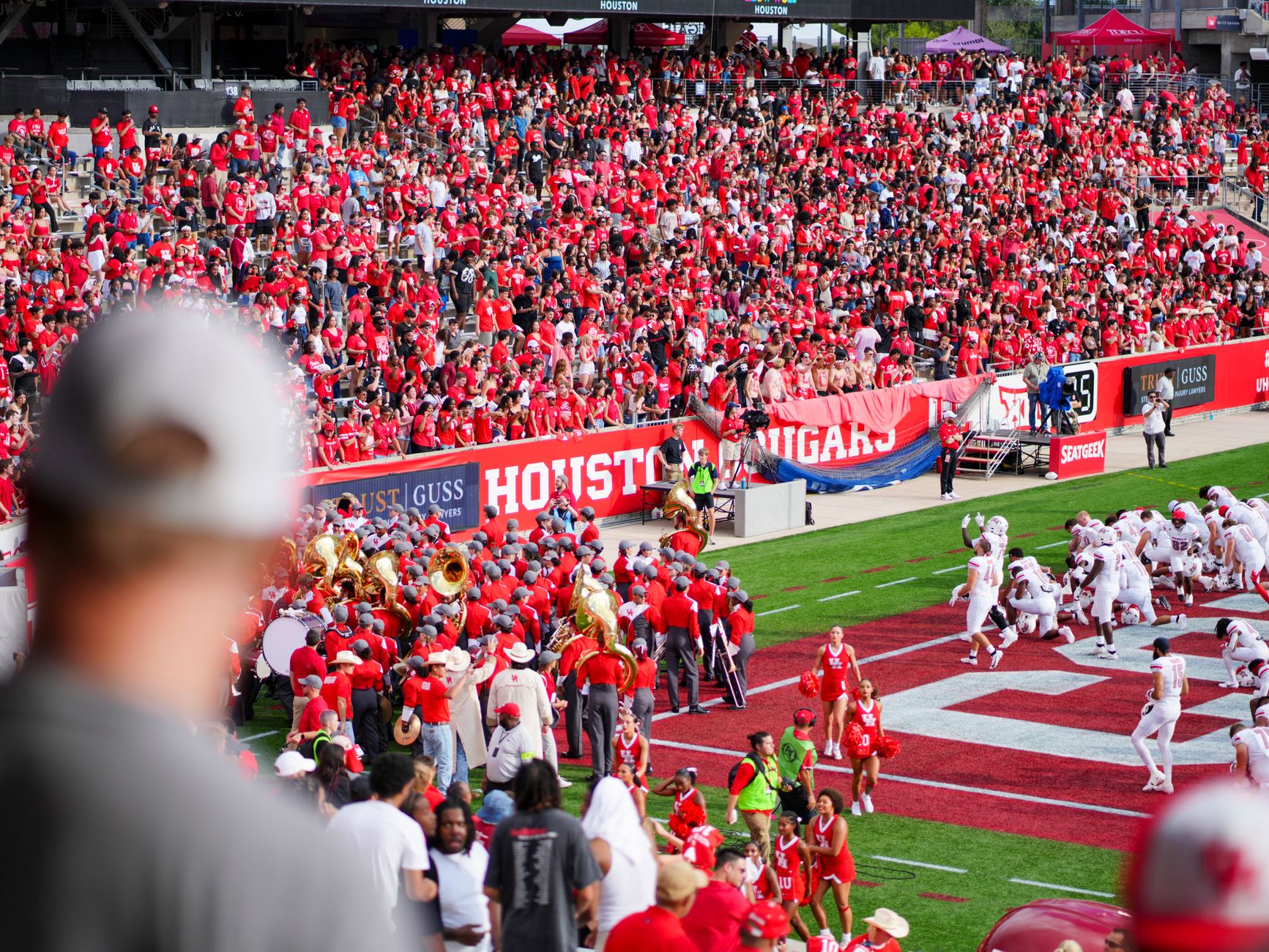
Photo by Photo Eddie O. on Pexels
College football is not merely a smaller version of professional football. It is a vast sporting ecosystem involving the NCAA, Football Bowl Subdivision programs, Football Championship Subdivision teams, conferences such as the SEC and Big Ten, and historic rivalries including Army–Navy and Ohio State–Michigan. A serious follower needs more than a ranking list; the quality of the experience depends on how intelligently you read the schedule, weigh the venue, interpret team statistics, and distinguish reliable information from emotional noise.
For readers of Football Compass, the most useful approach is selective rather than frantic. The site’s primary identity is 2026 FIFA World Cup coverage, but its match-prediction discipline translates neatly to college football: examine form, tactical matchups, player availability, travel, and market movement before reaching a conclusion. To understand the wider football landscape, explore our [Internal Link: football predictions and team analysis guide].
Want a sharper starting point for the season?
The Top 3 College Football Experiences at a Glance
College football can be followed in several ways, but three approaches consistently deliver the greatest combination of information, emotion, and practical value.
- Live FBS stadium experience — best overall: Nothing matches the scale of a Saturday at venues such as Ohio Stadium, Bryant–Denny Stadium, or Notre Dame Stadium, where student sections, marching bands, and local tradition shape the entire event.
- Conference and weekly schedule tracking — best for serious followers: ESPN’s 2026 schedule structure organizes FBS and FCS games by week, conference, kickoff time, network, venue, and betting line, making it easier to identify important matchups.
- NCAA statistics and CFP analysis — best value: NCAA.com combines scores, rankings, historical records, headlines, and postseason information without requiring a premium subscription, giving disciplined fans a practical research foundation.
These are not competing definitions of the sport. They are three different lenses. A supporter in Austin may prioritize a Texas home game, a national viewer may focus on SEC and Big Ten title implications, and a bettor may care most about pace, red-zone efficiency, quarterback health, and closing-line movement. The premium solution is to use all three lenses in sequence: screen the schedule, study the teams, then decide whether the occasion justifies the price of attendance or the time commitment of viewing.
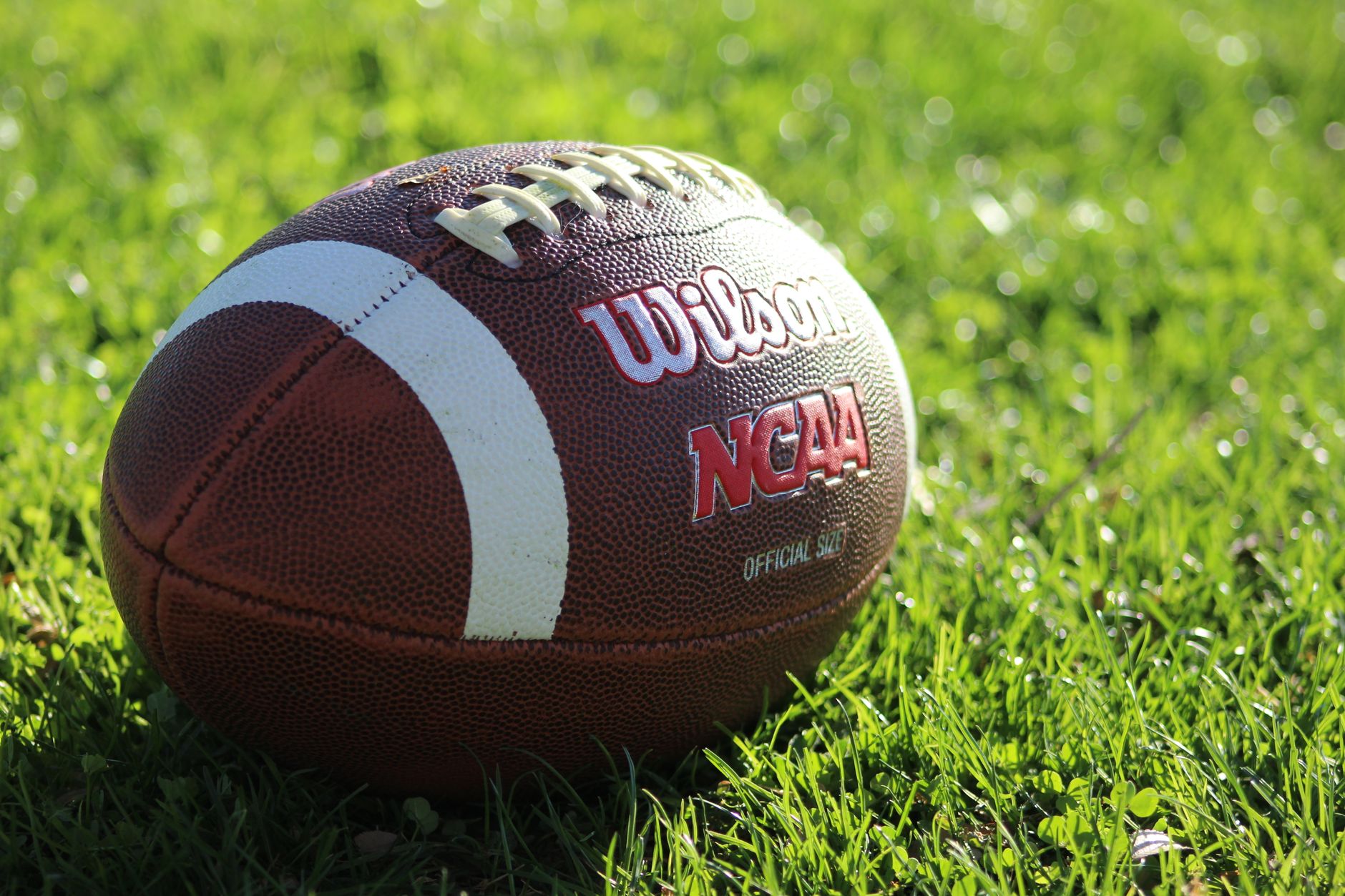
Photo by Jack Biddinger on Pexels
#1 Live FBS Stadium Experience: Best Overall
The live FBS stadium experience is the best overall choice because it combines competitive football with campus culture, regional identity, and a scale television cannot reproduce. Major venues often hold tens of thousands of spectators, while pregame rituals, marching bands, tailgates, and student traditions begin hours before kickoff. For a first visit, select a rivalry or conference game rather than an obvious mismatch, because the atmosphere is usually more intense when standings, pride, and postseason ambitions are all at stake.
The strongest live experience is not always the highest-ranked game. A nationally televised contest between USC and Notre Dame may offer glamour, but a smaller stadium can create a more intimate and intimidating setting. Consider the venue’s seating geometry, kickoff temperature, travel distance, student-section location, and whether the game falls during a campus festival or rivalry weekend. The 2026 schedule also includes international and cross-regional interest; for example, the reference schedule lists North Carolina versus TCU at Aviva Stadium in Dublin, Ireland, on August 30, 2026, a reminder that college football’s appeal can extend well beyond the United States.
Listen up — this is the part that matters: do not judge a ticket solely by its face value. A low-cost ticket behind an end zone may produce a weaker tactical view than a moderately priced upper-level sideline seat. Compare transport, parking, weather, food, and return travel before calling any ticket a bargain. Stadium planning is part of the game, not an administrative afterthought.
For venue history and rules context, consult Wikipedia’s college football overview, then confirm current policies directly with the university or stadium.
What makes a college football stadium different from an NFL venue?
A college football stadium is usually more closely tied to a university, student culture, regional tradition, and alumni identity than an NFL venue. The difference appears in marching bands, campus rituals, student sections, mascots, and rivalries that may be more than a century old. The NFL offers polished professional production, but college football often delivers a more personal and unpredictable atmosphere.
The contrast also affects game-day timing. At the University of Michigan, Penn State, Alabama, and Georgia, the pregame environment can become a full-day social event, while an NFL visit may be more concentrated around the scheduled kickoff. Seating can matter more in college football because crowd momentum and stadium acoustics noticeably influence young players. For visitors, arrive early, review clear-bag rules, and verify whether the university has changed entry times, parking zones, or student-access procedures.
#2 Weekly Schedule Tracking: Best for Serious Followers
Weekly schedule tracking is the best option for serious followers because college football distributes meaningful games across multiple conferences, time zones, networks, and competitive tiers. The 2026 ESPN schedule lists regular-season weeks from Week 1, covering August 22 through September 7, through Week 15, listed as December 6–12, followed by bowl and CFP periods. That structure is more valuable than a simple chronological list because it helps viewers identify congestion, overlapping kickoffs, and games whose importance may increase after earlier results.
A refined schedule workflow should contain four filters:
- Competitive relevance: conference standings, rivalry status, ranked-team meetings, and CFP implications.
- Viewing logistics: kickoff time, network, streaming availability, venue, and local time zone.
- Team context: returning starters, transfer additions, coaching changes, and injury reports.
- Market context: point spread, total, moneyline, and whether the number has moved materially.
ESPN’s schedule pages commonly display matchup, time, television, ticket information, location, weather, and odds. The reference material shows how much detail can appear in one listing: San José State at USC was scheduled for August 30, 2026, with NBC coverage, the Los Angeles Memorial Coliseum as venue, and a listed line of USC -35.5 with a 57.5 total. Such figures are snapshots, not guarantees, so confirm them close to kickoff.
A useful information-gain principle is to track schedule difficulty through travel and rest rather than relying only on win-loss records. A team playing at Virginia after a demanding road trip may be exposed in the second half even if its talent rating is superior. Likewise, an early-season spread can be less informative when a new quarterback has not yet established his decision-making profile.
Ready to organize the biggest matchups more intelligently?
How should you read a college football schedule?
Read a college football schedule in layers: first identify the conference and rivalry stakes, then check kickoff logistics, player availability, venue conditions, and current market numbers. ESPN and NCAA.com provide useful starting points, but official university releases and conference announcements should settle postponements, television changes, and eligibility news. This method prevents a headline matchup from dominating your attention without proper context.
The practical edge lies in comparing what is known with what the market may already expect. A ranked team favored by 21 points may still be a poor wagering proposition if its starting quarterback is returning from injury or if the opponent’s tempo creates extra possessions. Conversely, a lower-profile game can provide better analytical clarity when both teams have stable coaching staffs and predictable depth charts. Keep a written record of opening and closing numbers; after several weeks, the record reveals whether your judgments were genuinely informed or merely persuasive in the moment.
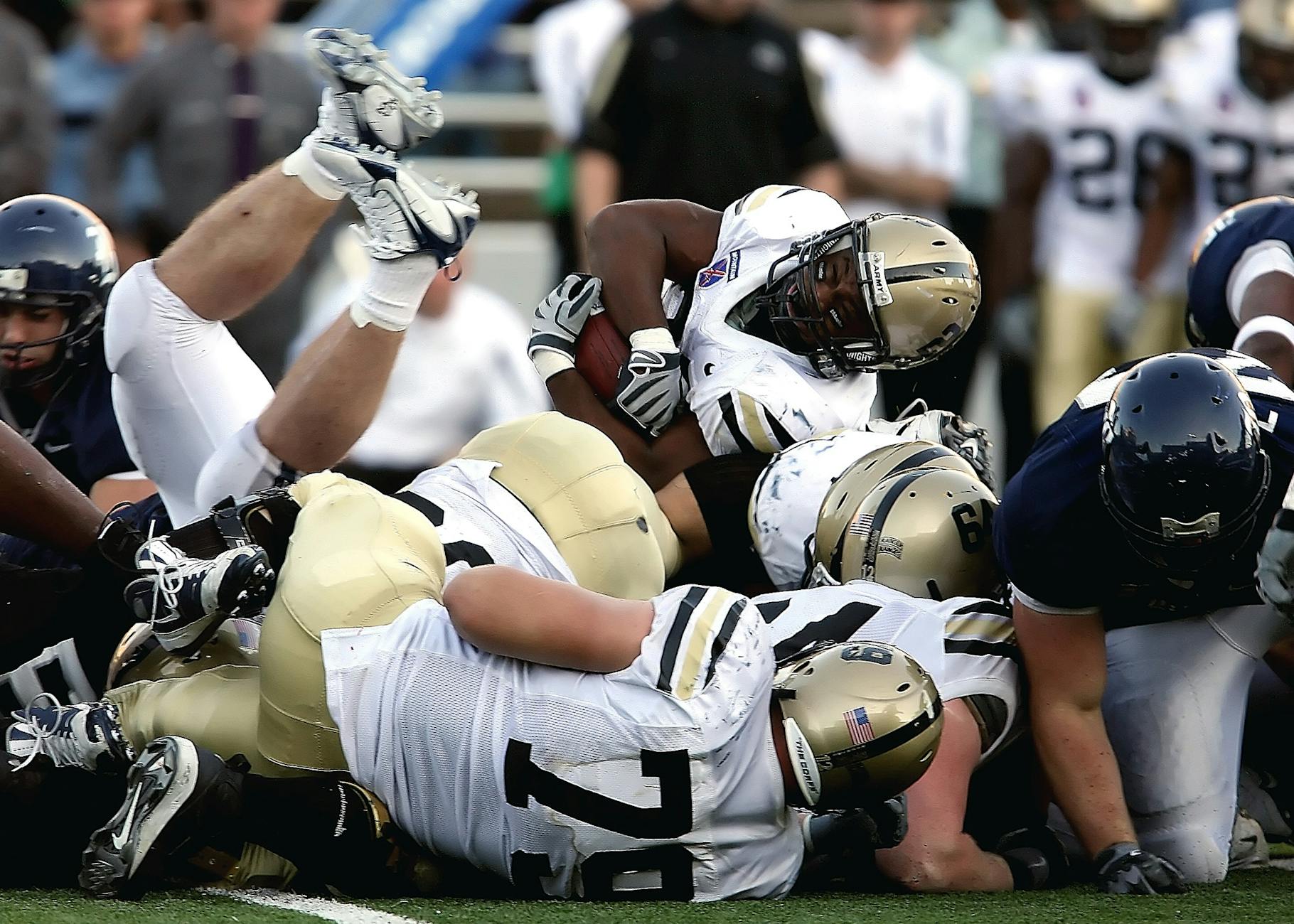
Photo by Pixabay on Pexels
#3 NCAA Statistics and CFP Analysis: Best Value
NCAA statistics and College Football Playoff analysis offer the best value because credible information is available without requiring an expensive data package. The NCAA FBS football page provides scores, rankings, news, historical championship information, and postseason coverage. In the reference material, the 2026 national championship is listed for January 25, 2027, at Allegiant Stadium in Las Vegas, Nevada, giving fans a clear postseason time anchor.
The most useful statistics are not always the most visible. Start with:
- Success rate on standard downs.
- Explosive-play frequency allowed.
- Third-down conversion and third-down defense.
- Red-zone touchdown percentage.
- Sack rate and pressure rate.
- Turnover margin adjusted for unusual bounces.
- Field position and special-teams efficiency.
- Opponent-adjusted strength of schedule.
A box score can tell you that Indiana defeated Miami 27–21 in the national championship game described by NCAA.com, but it cannot alone explain whether the result came from sustained offensive efficiency, defensive pressure, field-position advantages, or a late-game turnover. This is where the disciplined analyst separates performance from narrative. A team that wins by seven while losing the yards-per-play battle may deserve less confidence than the final score suggests.
The contrarian insight is that early-season rankings are often more useful as attention maps than as precise power ratings. In August and September, returning production, quarterback continuity, and line experience can matter more than a preseason number inherited from last year. A program with a famous name may be priced for reputation, while a less celebrated team with a veteran offensive line can outperform expectations before the market adjusts.
Football Compass readers can pair this method with our [Internal Link: player statistics and tactical matchup guide] for a more complete evaluation.
Why do college football rankings matter for CFP analysis?
College football rankings matter because they shape national attention, define perceived strength, and influence how fans interpret conference and postseason possibilities. However, rankings are not complete forecasts; schedule strength, injuries, transfer movement, and efficiency statistics can reveal important differences between teams placed near one another. Treat rankings as a starting point, not a final verdict.
The CFP conversation also changes throughout the season. A top-10 team with two close road wins may be less dominant than a team outside the spotlight with elite defensive success rates and stronger opponents ahead. The College Football Playoff selection process has evolved over time, so readers should verify the applicable 2026 format and qualification rules through official CFP communications rather than relying on old summaries. As the official College Football Playoff website states, “The College Football Playoff determines the national champion of major college football.”
How We Ranked Them
We ranked these three college football experiences using four weighted criteria: information quality at 30%, emotional and cultural impact at 30%, accessibility at 20%, and practical decision value at 20%. Live stadium attendance won the overall category because its atmosphere and identity are impossible to duplicate fully through a screen. Schedule tracking ranked second because it offers the strongest weekly control for fans following multiple conferences, while NCAA and CFP analysis ranked third for delivering the best research value at little or no direct cost.
The ranking is deliberately experience-based rather than a claim that one method is universally superior. A student with limited funds may reasonably place NCAA.com first, while a lifelong alumnus may consider a rivalry ticket priceless. Our framework rewards options that remain useful across a full season, not merely during a championship weekend.
Here is the scoring logic:
- Live attendance: exceptional atmosphere, high cost, limited by geography and ticket supply.
- Schedule tracking: broad coverage, strong planning value, dependent on accurate updates.
- Statistics and CFP analysis: low cost, high research value, demanding greater analytical effort.
The methodology also accounts for a specific operational issue: schedule data can change after initial publication. Kickoff times, networks, weather details, and odds may move, particularly when television partners exercise selection windows. Therefore, the practical quality of a schedule page depends not only on its first listing but also on how quickly it reflects revisions. That is an overlooked distinction between a static article and a working season tool.
See our [Internal Link: college football betting research checklist] before using statistics or odds in a wagering decision.
How would a high-roller approach this? With restraint. Set a fixed entertainment budget, never treat a point spread as a prediction certainty, and separate the pleasure of backing a team from the evidence supporting the number. Responsible gambling information is available through the National Council on Problem Gambling, whose resources emphasize that betting should remain entertainment rather than a financial solution.
Want to refine your own ranking method?
Which Should You Pick?
Choose the live FBS stadium experience if you want the richest emotional occasion and can comfortably manage travel, tickets, weather, and time. Choose weekly schedule tracking if you follow several conferences, compare television windows, or want to identify the games with genuine standings and CFP consequences. Choose NCAA statistics and CFP analysis if you prefer low-cost research, careful comparisons, and evidence that is less vulnerable to the noise surrounding famous programs.
For most readers, the best answer is a combination: use schedule tracking to select the games, statistics to understand the matchup, and a live visit when the rivalry or venue justifies the expense. In 2026, that approach is particularly valuable because college football coverage crosses FBS conferences, FCS programs, international fixtures, bowl season, and the CFP. The competition is sprawling, but the method need not be chaotic.
A final professional note: college football changes quickly. Transfers, injuries, coaching decisions, television selections, weather, and market prices can alter the meaning of a matchup within hours. Check ESPN, NCAA.com, official conference websites, and team releases close to kickoff, and treat every prediction as a probability rather than a promise.
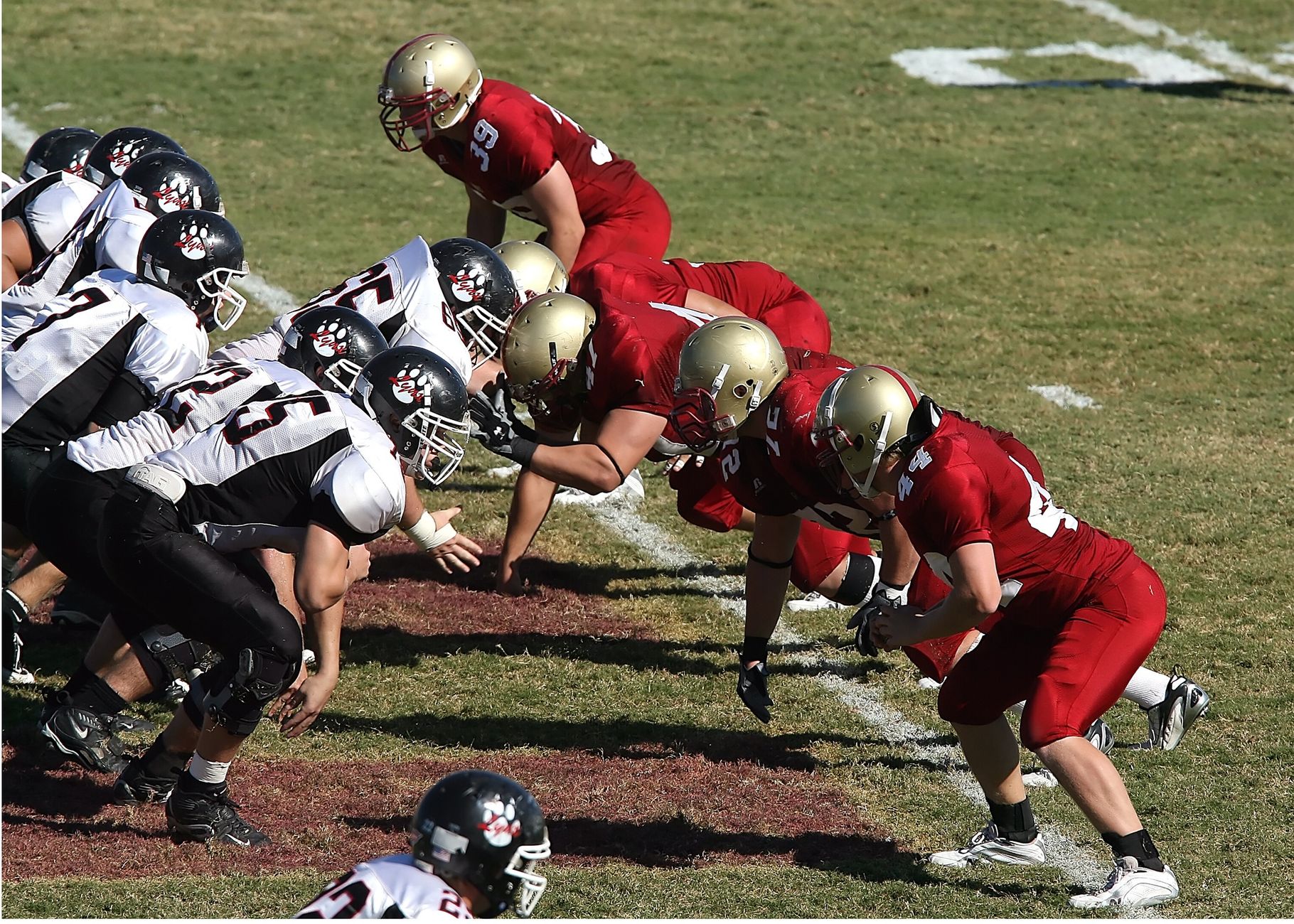
Photo by Pixabay on Pexels
The verdict is clear: live FBS football is the finest overall experience, schedule tracking is the smartest weekly system, and NCAA statistics provide the strongest value for disciplined analysis. Football Compass can complement that process with its established focus on predictions, tactical interpretation, player data, and major tournament coverage. Follow the information, respect the uncertainty, and let the spectacle remain magnificent without allowing emotion to dictate every decision.
Explore the next layer of football insight when you are ready.
Frequently Asked Questions
Q: What is college football?
A: College football is American gridiron football played by university and college teams, primarily under NCAA competition. The highest-profile level is the FBS, which includes conferences such as the SEC, Big Ten, ACC, Big 12, American Athletic Conference, Mountain West, MAC, Sun Belt, and Conference USA. The FCS and lower NCAA divisions also operate with different structures and postseason systems. College football combines athletic competition with campus identity, student traditions, marching bands, alumni culture, and long-standing rivalries. Its major postseason destination is the College Football Playoff, while other teams may compete in bowl games or FCS playoffs.
Q: How do I follow the 2026 college football schedule?
A: Follow the 2026 college football schedule by checking ESPN, NCAA.com, conference websites, and official team announcements. ESPN’s schedule structure organizes games by week, conference, date, kickoff time, network, location, weather, tickets, and sometimes odds. Confirm details near game day because television partners may change kickoff times and networks. Also convert the listed time to your local time zone, especially for games involving Dublin, Ireland, or teams traveling across the United States. Create a shortlist based on rivalry importance, rankings, conference consequences, and viewing availability.
Q: What is the difference between college football and the NFL?
A: College football is played by university teams within NCAA structures, while the NFL is a professional league consisting of 32 franchises. College football has more teams, a wider range of competitive levels, student-centered traditions, and conference-based schedules. The NFL has a standardized professional roster system, a shorter league structure, and highly consistent broadcast production. Rules overlap but are not identical, and college football games may feel more variable because player development, transfers, coaching changes, and depth differences can be substantial. Choose college football for campus culture and rivalry intensity; choose the NFL for concentrated elite professional competition.
Q: Is college football worth watching for beginners?
A: College football is worth watching for beginners if they start with one conference, one team, or one major rivalry rather than attempting to follow every game immediately. The SEC, Big Ten, ACC, Big 12, and Notre Dame-centered independent schedule provide accessible entry points, while ESPN and NCAA.com offer schedules and scores. Begin by learning the team’s quarterback, head coach, primary rival, conference position, and next three opponents. A rivalry game is often easier to appreciate than a technical matchup because its history supplies immediate emotional context.
Q: What should I do if a college football schedule changes?
A: If a college football schedule changes, verify the update through the school, conference, ESPN, or NCAA.com before traveling or placing a wager. Changes may involve kickoff time, television network, venue, weather conditions, or postponement, and initial listings are not always permanent. Save the official announcement and recheck ticket, parking, streaming, and local-time information. If odds are involved, confirm whether a sportsbook voids or reprices a market after a venue or time change. Never rely on an old social-media post when an official schedule page is available.
Q: How much does it cost to attend a college football game?
A: The cost of attending a college football game ranges from inexpensive general-admission or secondary-market tickets to premium prices for marquee rivalry games. The reference 2026 schedule lists example tickets as low as $32 for San José State at USC, $48 for NC State at Virginia, and $52 for Jacksonville State at North Dakota State, although prices can change by seller, seat, demand, and timing. Add parking, transportation, food, lodging, and merchandise to calculate the real cost. Buying early is not always cheapest, so compare official university sales with reputable resale providers and review fees before checkout.
Q: How should I use college football odds responsibly?
A: Use college football odds as probability-based information, not as certainty or guaranteed income. Compare the spread, total, and moneyline with team efficiency, injuries, quarterback status, travel, weather, and schedule fatigue, then set a fixed entertainment budget before wagering. A listed example such as USC -35.5 and a 57.5 total is only a market snapshot, not a promise about the final score. Avoid chasing losses, never borrow money to bet, and consult the National Council on Problem Gambling if wagering stops feeling controlled. The most sophisticated decision is often passing on a market that lacks reliable information.
Thank you for reading.
Football Compass · The Midnight Archive · An Exhibition of Thought